
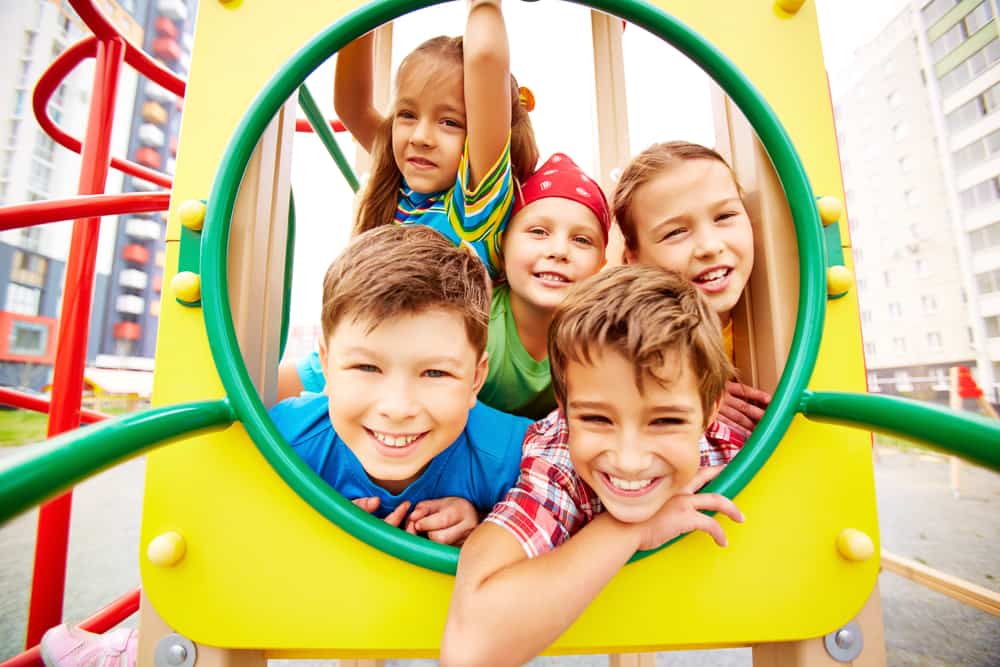
Benefits


Your child will be encouraged to believe in themselves and reach their potential.


The Benefits of Our Programs

Resilience • Social Skills • Emotional Management

Our programs support children who may experience:
  • Friendship difficulties and social challenges
  • Bullying, teasing or exclusion
  • Low confidence or self-esteem
  • Anxiety, worries, sadness or frustration
  • School-related stress or pressure
  • Family changes, transitions, loss or new situations
Children develop skills in:
  • Building confidence and healthy relationships
  • Managing emotions and everyday stress
  • Strengthening wellbeing and resilience

Why Families Choose Life Skills for Kids

  • Delivered by a Clinical Psychologist: Led by the owner and creator of the program, with over 25 years’ experience supporting children and families.
  • High staff-to-child ratio: 2–3 trained facilitators support children so each child feels seen and supported.
  • Evidence-based with parent resources: Includes a parent education video, handouts and practical home strategies.
  • Learning through play: An enclosed outdoor playground gives children a safe space to practise skills in real-life ways.
  • Engaging activities: Games, activities and hands-on learning keep children motivated and involved.
  • Personalised feedback: Families receive an individualised feedback session and follow-up plan.
  • Warm, non-stigmatising environment: Children learn they are not alone, reducing shame and building confidence.
  • Child-centred, family-focused: Grounded in compassion, respect and neuro-affirming practice.
The Life Skills for Kids program helps children build confidence and manage everyday challenges.
  • Resilience is about being able to cope and manage everyday stress and challenges, without developing significant problems.
  • It is all about providing and promoting skills that protect children from the negative impact of stress from school demands, teasing, bullying and relationships.
  • Research by Martin Seligman, author of the “The Optimistic Child” has shown that children who are resilient do better in life.
  • Resilience is fostered by teaching children social skills and emotional management strategies. These skills are often referred to as “emotional intelligence”. Daniel Goleman explains in his best-selling book about how emotional intelligence is a better predictor of future success than a child’s academic performance.

Social skills help us create strong and healthy relationships with our friends and family. These important skills include:  

  • Communication skills – eye contact, body language, listening skills, tone of voice etc.
  • Friendship making skills – how to initiate social interaction and identify qualities of being a good friend.
  • Empathy – recognising others feelings and cues and adjusting interactions appropriately.
  • Assertiveness - being able to stand up for yourself in firm and kind manner to get your needs met.
  • Negotiation - being able to manage conflict and disagreements.
  • As human beings, we experience a range of feelings, including comfortable and uncomfortable feelings.
  • Learning how to manage uncomfortable emotions such as worry, sadness, frustration in times of stress is an important skill for children to learn.
  • It involves being able to identify, name and understand a range of feelings.
  • Learning how to catch feelings before they get too intense and use coping skills to reduce levels of distress (e.g. deep breathing, talking with parents, playing sport, listening to music).
  • Approach situations with helpful self-talk to manage challenging situations easier.
  • Resilience is about being able to cope and manage everyday stress and challenges, without developing significant problems.
  • It is all about providing and promoting skills that protect children from the negative impact of stress from school demands, teasing, bullying and relationships.
  • Research by Martin Seligman, author of the “The Optimistic Child” has shown that children who are resilient do better in life.

Resilience is fostered by teaching children social skills and emotional management strategies. These skills are often referred to as “emotional intelligence”. Daniel Goleman explains in his best-selling book about how emotional intelligence is a better predictor of future success than a child’s academic performance.

Social skills help us create strong and healthy relationships with our friends and family. These important skills include:  

  • Communication skills – eye contact, body language, listening skills, tone of voice etc.
  • Friendship making skills – how to initiate social interaction and identify qualities of being a good friend.
  • Empathy – recognising others feelings and cues and adjusting interactions appropriately.
  • Assertiveness - being able to stand up for yourself in firm and kind manner to get your needs met.
  • Negotiation - being able to manage conflict and disagreements.
  • As human beings, we experience a range of feelings, including comfortable and uncomfortable feelings.
  • Learning how to manage uncomfortable emotions such as worry, sadness, frustration in times of stress is an important skill for children to learn.
  • It involves being able to identify, name and understand a range of feelings.
  • Learning how to catch feelings before they get too intense and use coping skills to reduce levels of distress (e.g. deep breathing, talking with parents, playing sport, listening to music).
  • Approach situations with helpful self-talk to manage challenging situations easier.